Insights
How Proximity To Power Works And Why It Is Not The Same As Having Power
9 minute read
9 minute read

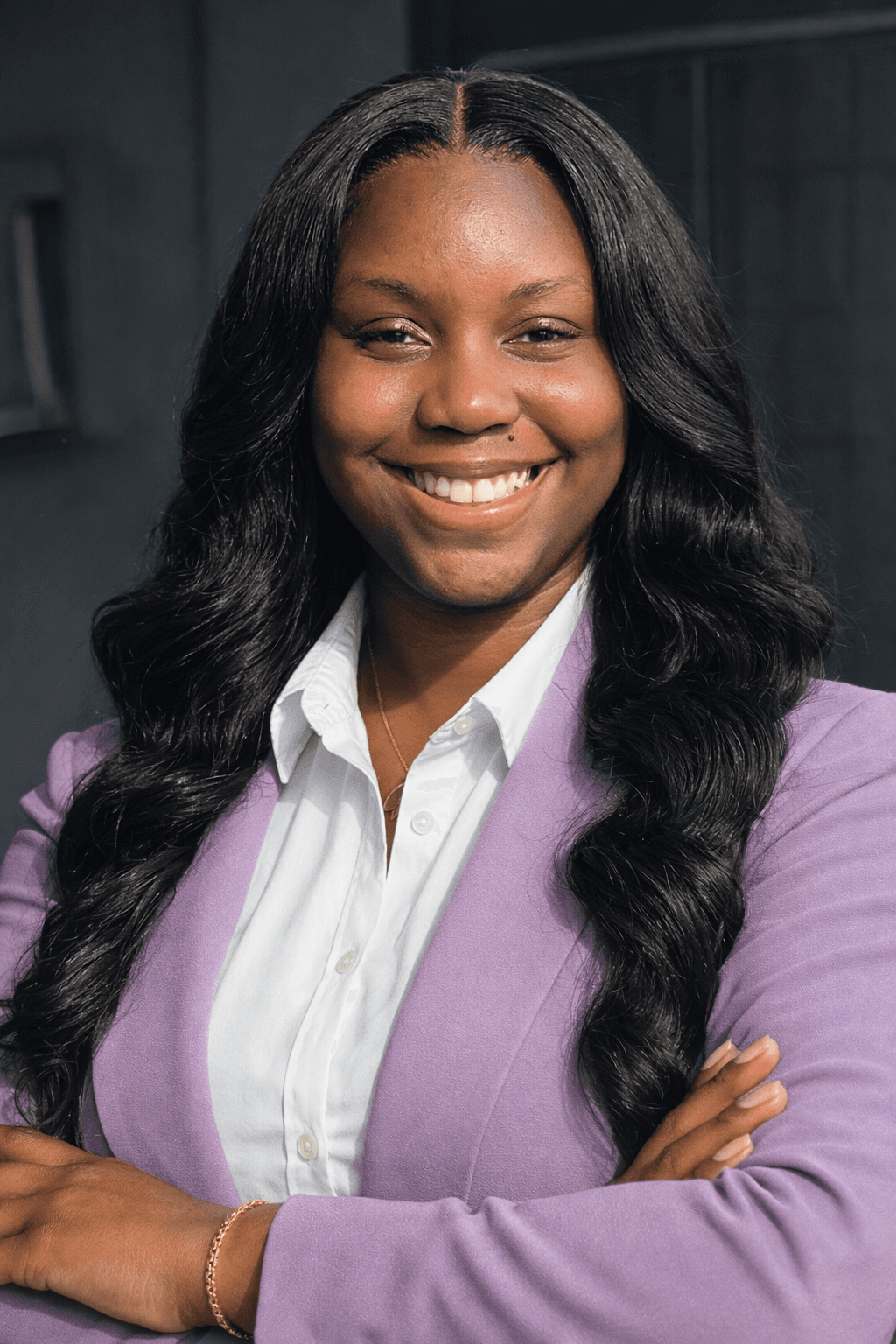
TheGlobalAdele
•
Leadership
Identity
Strategy
TheGlobalAdele
•
Leadership
Identity
Strategy
A breakdown of how access, sponsorship, and visibility operate as power mechanisms in professional environments.
A breakdown of how access, sponsorship, and visibility operate as power mechanisms in professional environments.
There is a version of career success that looks, from the outside, like the product of talent and timing. The right person in the right room at the right moment, and things opened up for them.
What that story usually leaves out is the infrastructure that put them in the room.
Proximity to power is one of the least discussed and most consequential dynamics in professional life. It shapes who gets mentored, who gets sponsored, and who gets considered when a door opens quietly before it is ever announced publicly. Understanding how it works is not cynical. It is necessary.
Access: The Geography of Opportunity
The sociologist Pierre Bourdieu wrote about social capital as a resource that accrues through networks of relationships, and that those networks are not neutral. They reflect and reinforce existing structures of advantage. In professional terms, this means that access to opportunity is never evenly distributed. It follows lines of proximity.
Access is, at its most basic, about geography: which rooms you are in, which conversations you are adjacent to, which decision-makers have a face to put to your name. This geography is partly physical, partly digital, and partly relational. It is shaped by where you trained, who introduced you, which events you attended, and whether the people who hold influence in your field have any reason to know you exist.
The professional who is excellent but isolated is operating at a structural disadvantage that has nothing to do with their capability and everything to do with their position within a network. Access is not a reward for good work. It is a precondition for good work to be seen.
Sponsorship: Who Speaks for You When You Are Not in the Room
Mentorship and sponsorship are often conflated, and the confusion costs people real opportunities.
A mentor offers guidance. A sponsor uses their own political capital to advocate for you, recommend you, and stake their reputation on your potential. The distinction, drawn clearly by the economist Sylvia Ann Hewlett in her research on workplace advancement, is the difference between someone who talks to you and someone who talks about you to the right people.
Sponsorship is a powerful mechanism because it transfers proximity. When a sponsor speaks your name in a room you are not in, they are extending their access to you. They are lending you a slice of their visibility, their credibility, and their social capital. This is why sponsorship relationships are not symmetrical: the person being sponsored receives something the sponsor has built over years, sometimes decades, and the return on that loan is the sponsor's reputation.
For young professionals, the implication is significant. Being excellent is not enough to attract a sponsor. Sponsors invest in people they believe in and who make them look good in return. Which means visibility, positioning, and strategic relationship-building are not optional extras. They are how you become the kind of professional that a sponsor feels confident backing.
Visibility: Being Seen by the People Who Decide
The third mechanism is the one most directly within your control.
Visibility, in this context, is not about being famous or prolific. It is about being known by the specific people whose opinion of you has the power to shape your trajectory. A managing partner at a firm. An editorial board in your field. A senior figure in your industry whose endorsement opens doors.
Visibility without proximity can feel hollow. But visibility is often what creates proximity in the first place. The article that reaches the right reader, the panel that puts you in front of the right audience, the LinkedIn post that prompts the right conversation: these are not vanity exercises. They are access infrastructure, built in public, one interaction at a time.
A thought worth holding:
Proximity to power is not the same as having power. But it is often the path to it. The question worth asking is not whether these mechanisms are fair, though that is a conversation worth having. The question is whether you understand how they operate well enough to navigate them deliberately, and whether you are building the kind of presence that makes the people who matter aware that you exist.
There is a version of career success that looks, from the outside, like the product of talent and timing. The right person in the right room at the right moment, and things opened up for them.
What that story usually leaves out is the infrastructure that put them in the room.
Proximity to power is one of the least discussed and most consequential dynamics in professional life. It shapes who gets mentored, who gets sponsored, and who gets considered when a door opens quietly before it is ever announced publicly. Understanding how it works is not cynical. It is necessary.
Access: The Geography of Opportunity
The sociologist Pierre Bourdieu wrote about social capital as a resource that accrues through networks of relationships, and that those networks are not neutral. They reflect and reinforce existing structures of advantage. In professional terms, this means that access to opportunity is never evenly distributed. It follows lines of proximity.
Access is, at its most basic, about geography: which rooms you are in, which conversations you are adjacent to, which decision-makers have a face to put to your name. This geography is partly physical, partly digital, and partly relational. It is shaped by where you trained, who introduced you, which events you attended, and whether the people who hold influence in your field have any reason to know you exist.
The professional who is excellent but isolated is operating at a structural disadvantage that has nothing to do with their capability and everything to do with their position within a network. Access is not a reward for good work. It is a precondition for good work to be seen.
Sponsorship: Who Speaks for You When You Are Not in the Room
Mentorship and sponsorship are often conflated, and the confusion costs people real opportunities.
A mentor offers guidance. A sponsor uses their own political capital to advocate for you, recommend you, and stake their reputation on your potential. The distinction, drawn clearly by the economist Sylvia Ann Hewlett in her research on workplace advancement, is the difference between someone who talks to you and someone who talks about you to the right people.
Sponsorship is a powerful mechanism because it transfers proximity. When a sponsor speaks your name in a room you are not in, they are extending their access to you. They are lending you a slice of their visibility, their credibility, and their social capital. This is why sponsorship relationships are not symmetrical: the person being sponsored receives something the sponsor has built over years, sometimes decades, and the return on that loan is the sponsor's reputation.
For young professionals, the implication is significant. Being excellent is not enough to attract a sponsor. Sponsors invest in people they believe in and who make them look good in return. Which means visibility, positioning, and strategic relationship-building are not optional extras. They are how you become the kind of professional that a sponsor feels confident backing.
Visibility: Being Seen by the People Who Decide
The third mechanism is the one most directly within your control.
Visibility, in this context, is not about being famous or prolific. It is about being known by the specific people whose opinion of you has the power to shape your trajectory. A managing partner at a firm. An editorial board in your field. A senior figure in your industry whose endorsement opens doors.
Visibility without proximity can feel hollow. But visibility is often what creates proximity in the first place. The article that reaches the right reader, the panel that puts you in front of the right audience, the LinkedIn post that prompts the right conversation: these are not vanity exercises. They are access infrastructure, built in public, one interaction at a time.
A thought worth holding:
Proximity to power is not the same as having power. But it is often the path to it. The question worth asking is not whether these mechanisms are fair, though that is a conversation worth having. The question is whether you understand how they operate well enough to navigate them deliberately, and whether you are building the kind of presence that makes the people who matter aware that you exist.

Work with TheGlobalAdele
Ready to position yourself more deliberately?
If you're thinking about your next move, refining your professional narrative or building systems that support your work, let's talk!
Work with TheGlobalAdele
Ready to position yourself more deliberately?
If you're thinking about your next move, refining your professional narrative or building systems that support your work, let's talk!
Work with TheGlobalAdele
Ready to position yourself more deliberately?
If you're thinking about your next move, refining your professional narrative or building systems that support your work, let's talk!